
The Ultimate Guide to Living with Your Dog in an Australian City Apartment: Maximising Comfort in Small Spaces
Living with a dog in an Australian city apartment can be a rewarding experience for both pet and owner, offering the companionship and joy that dogs are known for. However, it requires careful planning and consideration to ensure the wellbeing of the animal within the confines of an apartment setting. Prospective and current dog owners must evaluate the suitability of their living space for a pet and understand the commitments involved in providing a stimulating and comfortable environment for their furry friend.
Selecting an appropriate breed and understanding the dog’s needs for exercise and social interaction are crucial when navigating city living with a pet. Additionally, adhering to rental agreements and maintaining a good relationship with landlords and neighbours becomes part of the routine. By focusing on training and behavioural management, dog owners can create a harmonious living situation that benefits all parties involved. With the right approach, apartment-dwelling dogs can lead happy and healthy lives even in the heart of a bustling city.
Key Takeaways
- Assessing apartment suitability and choosing an appropriate dog breed are essential first steps.
- Creating a daily routine with ample exercise and socialisation is key to a dog’s happiness in an apartment.
- Understanding lease terms and committing to responsible dog ownership ensures a smooth urban living experience.
Assessing the Suitability of Your Apartment
Selecting an appropriate living space can be challenging when accommodating a canine companion in a city apartment in Australia. A well-chosen apartment ensures both the pet and owner live comfortably, considering factors such as space, access to facilities, and noise management.
Understanding Space and Access
When determining if an apartment is suitable for a dog, space is a premium concern. An individual should evaluate both the indoor area and the availability of outdoor spaces. City apartments often have limited square footage, so it’s important to ensure there’s enough room for the dog to move around without clutter or discomfort. Access to parks or green spaces nearby is advantageous, providing necessary areas for exercise and play, essential for a dog’s well-being. Features such as secure windows and safe balconies are important, along with lift access if the building is multi-storey. It is also critical to confirm that the building is pet-friendly and check if there are any restrictions on dog breeds or sizes.
Assessing Noise Levels and Managing Barking
Noise can significantly impact the living experience of both the pet and the owner, as well as neighbours. High-density living poses challenges with noise, including the dog’s own barking. Obtain a clear understanding of the apartment acoustics; check the insulation and soundproofing that can mitigate noise from neighbours or the street. As responsible pet owners, it is crucial to manage a dog’s barking to avoid disturbing others. This may include training to prevent excessive barking and creating a calm environment that reduces anxiety-induced noises. Additionally, when exploring a potential apartment, note the general noise levels at different times of the day to gauge what the dog, and you, will be accustomed to.
Choosing the Right Dog for Apartment Life
Selecting a suitable dog for apartment living in an Australian city involves considering breed characteristics and energy levels, as well as aligning the dog’s needs with your lifestyle. Carefully assessing both the dog’s personality and age can help ensure a harmonious living arrangement.
Considering Dog Breeds and Personalities
Certain dog breeds are recognised as the best apartment dogs due to their adaptability to indoor living. Smaller breeds often come to mind; however, a dog’s personality and energy level play critical roles. The Bedlington Terrier, for instance, is an intelligent and affectionate breed that can do well in smaller spaces due to its manageable size and agreeable temperament. These traits make them suitable companions for families in apartments.
The Italian Greyhound is another breed that is well-suited for apartment life, as they are known for their calm demeanour and modest space requirements. However, remember that each individual dog’s personality may vary, so interaction before adoption is vital.
Conversely, large breeds are not always a poor match for apartments. The Greyhound, despite its size, is known for being a docile lap dog that is content with short bursts of exercise followed by long periods of rest.
Identifying Age-Appropriate Needs
The age of a dog is an important consideration when bringing a pet into an apartment setting. Puppies, while appealing, require significant time commitment for training and socialisation, which may not be possible in an apartment setting. On the other hand, an adult dog’s personality is already developed, making it easier to identify how well they might adapt to apartment living.
The RSPCA recommends choosing an adult dog with a temperament that matches your own lifestyle. An older dog may settle into apartment life with more ease, requiring less vigorous exercise and being better equipped to handle longer periods of solitude if necessary.
When selecting a dog, it’s critical to match their energy level and exercise requirements with your ability to provide appropriate activity within the confines of city living. Develop a consistent routine of walks and mental stimulation to keep your canine companion content and healthy within your apartment space.
Creating a Comfortable and Stimulating Environment
A considered environment ensures the well-being of dogs in Australian city apartments, focusing on both safety, comfort, and avenues for mental enrichment.
Ensuring Safety and Comfort
To create a safe and comfortable environment for dogs, guardians must assess the apartment from a canine perspective. Sleeping areas should be soft, dry, and draught-free, allowing dogs to rest undisturbed. It’s critical to maintain a clean space free of small objects that could be choking hazards. Creating a Good Home For Your Dog is about more than just comfort; it’s about safety and security. Bathrooms and kitchens should be made inaccessible when unsupervised, as they often contain harmful substances like cleaning products and medications that need to remain out of reach.
- Sleeping Space: Comfortable bedding in a quiet area
- Temperature: Consistent, neither too hot nor cold
- Hazard-Free: Secure trash cans and remove small, chewable objects
Providing Mental Stimulation and Toys
Dogs living in apartments may have limited physical space, which makes providing mental stimulation and appropriate toys crucial for preventing boredom and destructive behaviour. Puzzle feeders serve a dual purpose by challenging a dog’s mind and slowing down their eating. A sturdy Kong toy stuffed with healthy treats, such as peanut butter, can keep a dog entertained for hours. Regularly rotate toys to sustain interest and prevent the development of destructive chewing habits.
- Interactive Toys: Rotating selection of chew toys, ropes, and balls
- Puzzle Feeders: Promote problem-solving
- Companionship: Consider social interaction with other dogs for mental health
Daily Routines for a Happy, Healthy Dog
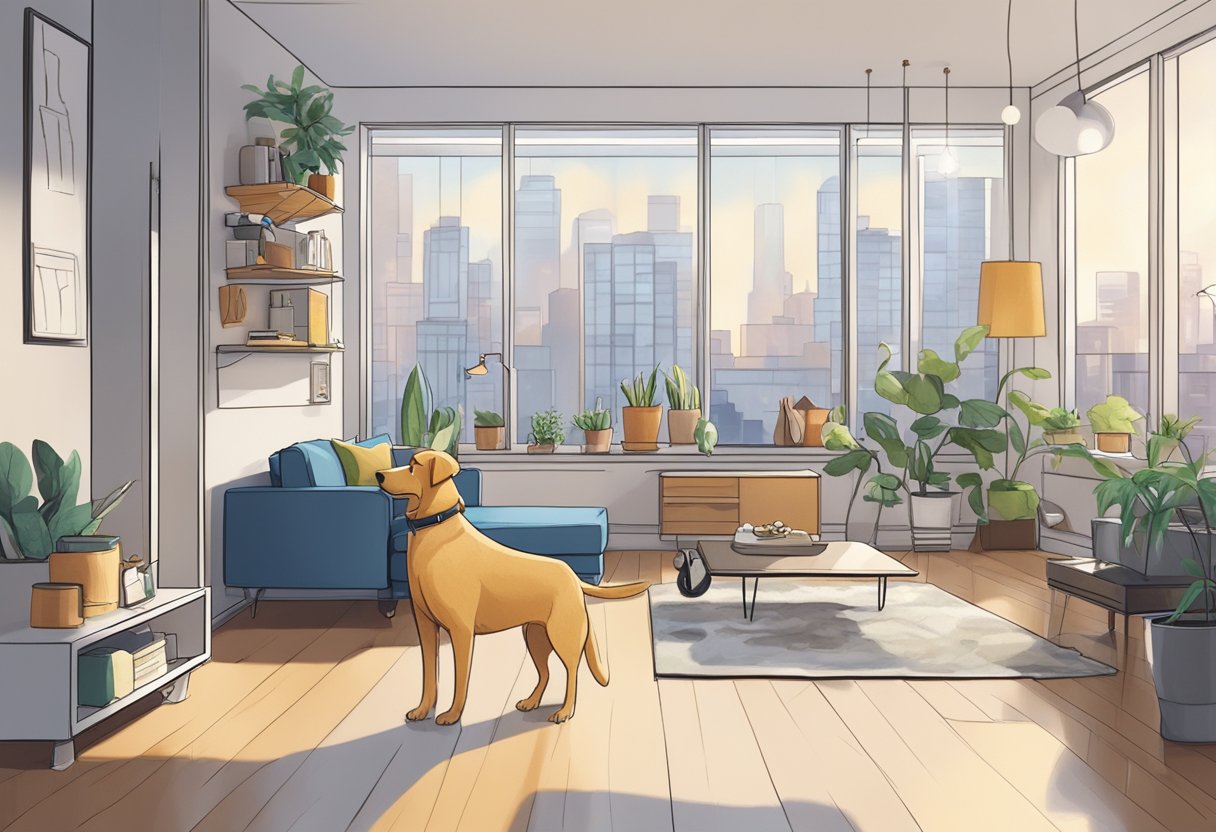
Creating a consistent daily routine is fundamental for a dog’s wellbeing, particularly when living in an Australian city apartment. Both physical health and behavioural development hinge on regular exercise and clean toileting habits.
The Importance of Regular Exercise
In the confines of an apartment, it is crucial that dogs receive daily walks to keep them happy and entertained. A dog’s need for exercise varies by breed, age, and health, but daily exercise is a must for all dogs to maintain their physical health and manage energy levels. An adult dog typically benefits from at least 30 minutes to two hours of physical activity per day. City dwellers should aim for walks in the morning before the hustle of the city begins and in the evening to wind down. Apart from keeping the dog fit, these walks can help prevent boredom-related behaviours such as chewing and excessive barking.
Toileting and Hygiene
Consistent toileting routines are vital, especially when living in an apartment where a backyard isn’t accessible. Dogs thrive on toileting routines and potty training should encourage regular, scheduled trips outside. Owners might find a nearby park or a designated pet relief area in their building for their dog’s needs. It’s essential to clean up immediately to maintain hygiene and adhere to city regulations. When outside is not an option, pet owners can consider indoor potty solutions like pee pads or indoor grass mats. Keeping these areas clean is just as important as outdoor hygiene to ensure the dog’s environment is sanitary and odour-free. Moreover, providing healthy treats as a positive reinforcement can effectively encourage good toileting behaviour.
Understanding and Enhancing Socialisation
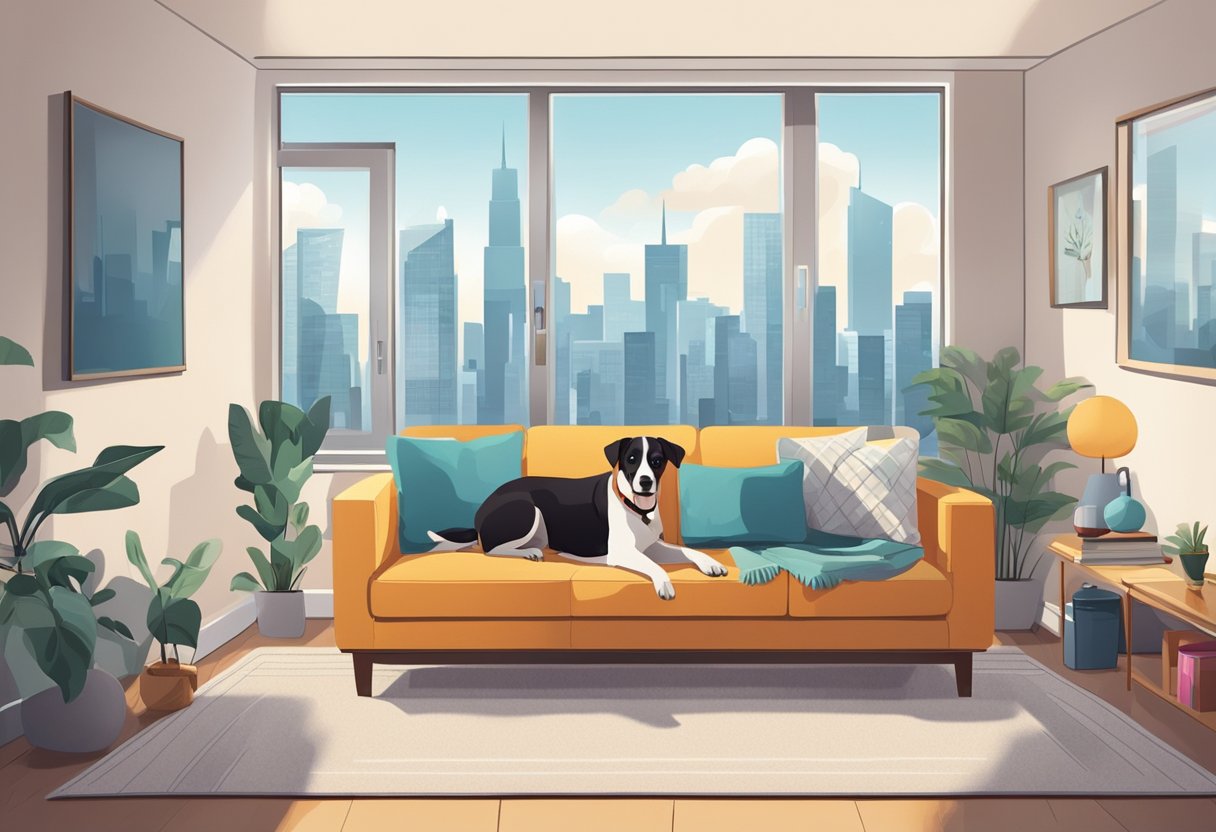
Living with your dog in an Australian city apartment requires a proactive approach to socialisation. It is essential for their well-being and ensures they can interact confidently with neighbours and other animals. Additionally, utilising local dog parks and outdoor spaces effectively can greatly contribute to their enrichment and help manage their energy levels.
Interacting with Neighbours and Other Animals
In the context of an apartment setting, one must be mindful of how their dog engages with neighbours and other animals. It’s best to gradually introduce your dog to neighbours to foster a friendly rapport. Ensuring your dog is well-mannered in common areas reduces stress for everyone involved. When encountering other animals, observe your dog’s body language closely and intervene if there are signs of discomfort or aggression. Resources like the RSPCA provide suggestions on good ways to socialise your puppy, including puppy preschool classes.
Apartment living doesn’t usually afford private outdoor space, so common areas are social hubs. It’s paramount that dogs are kept on leashes unless in designated off-leash areas and recall commands are well-practised to avoid any mishaps. Always carry treats to reinforce positive behaviour during these interactions.
Accessing Dog Parks and Outdoor Spaces
Providing dogs with access to dog parks and outdoor spaces for exercise is crucial for their physical and mental health, particularly when living in an apartment. Dogs with high energy levels will require more frequent visits to adequately expend their zest. These external environments also offer a multitude of sensory experiences vital for a dog’s cognitive development.
Before venturing out, it’s important to know the specifics of each park, such as size, the regular presence of other dogs, and available facilities. Some parks have specific areas for small or large breeds, which can help in managing interactions and keeping play safe. Dog owners should be vigilant, ensuring their pets respect other animals and people within these spaces. Carrying toys and engaging in interactive play can provide mental and physical stimulation for dogs, functioning as both exercise and enrichment.
Navigating Rental Agreements and Landlord Permissions
When residing with a dog in an Australian city apartment, securing the landlord’s consent within the rental agreement is paramount. It’s crucial for pet owners to navigate the terms affecting their furry companion effectively.
Communicating with Landlords and Estate Agents
One should initiate open dialogue with landlords and real estate agents regarding pet ownership when seeking tenancy. Clear communication is vital in establishing the presence of a pet and understanding any associated conditions or restrictions. It’s advisable to provide a pet resume that includes the dog’s behaviour, training, and health information, demonstrating responsibility and commitment on the part of the pet owner.
Understanding Pet Policies and Commitments
Perusing and comprehending the pet policy embedded in the lease agreement is imperative. A pet policy will typically outline the expectations and responsibilities of the pet owner, such as adhering to noise control, maintaining cleanliness, and ensuring the pet does not cause disturbances. Commitment to these regulations is essential to foster a positive relationship with the landlord and uphold the terms of the renting contract.
The Commitment of Dog Ownership in an Apartment
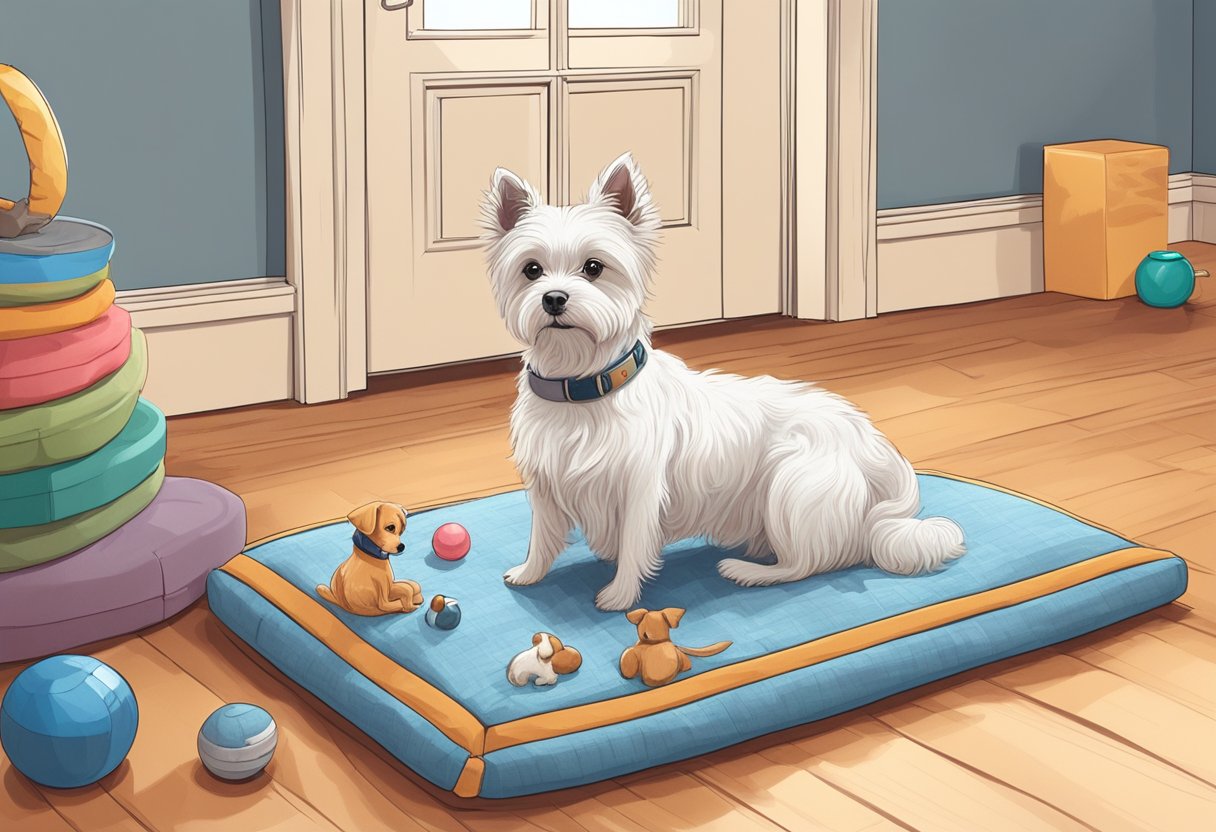
Owning a dog in an Australian city apartment requires diligent attention to their health needs and active involvement in a supportive dog community. Apartment living means adjusting regular care to a smaller, shared space.
Addressing Dog Health and Veterinary Needs
Apartment living doesn’t diminish the veterinary needs of your furry friend; it amplifies the importance of regular check-ups and vaccinations. Veterinary visits should be scheduled at least once a year for a routine health examination. This is crucial to ensure that any health compromises, particularly those that might be exacerbated by close quarters living, such as parasites or noise sensitivity, are identified and treated promptly.
Here are key elements in managing your dog’s health in an apartment:
- Vaccinations: To protect against common diseases and comply with apartment complex regulations.
- Parasite control: Regular treatments for fleas, ticks, and worms are essential.
- Noise sensitivity: Addressing anxiety from apartment noises can prevent stress-related health issues.
- Regular exercise: Ensuring your dog gets enough exercise, which might require creative solutions in smaller spaces.
- Toys and entertainment: Providing adequate toys to keep them stimulated, especially when they’re home alone.
Remember, pets may often be confined to the apartment for many hours; thus, they rely on their owners to safeguard their health proactively.
Engaging with the Dog Community
The well-being of a dog in an apartment setting extends beyond the physical needs. Engagement with the local dog community can provide essential socialisation opportunities which are critical for mental health, especially when living in a confined space.
Community engagement strategies include:
- Seek out nearby dog parks for socialisation and exercise.
- Join local dog groups for support and advice on apartment living with dogs.
- Consider day care or dog-sitting options for companionship when owners must be away for extended periods.
Fostering a sense of community for your dog can also benefit the owner, creating networks for support and sharing the joys and challenges of dog ownership. Whether through meet-ups or online platforms, strong relationships within the dog community enhance the quality of life for both dogs and their owners in the urban environment.
Training and Behavioural Management
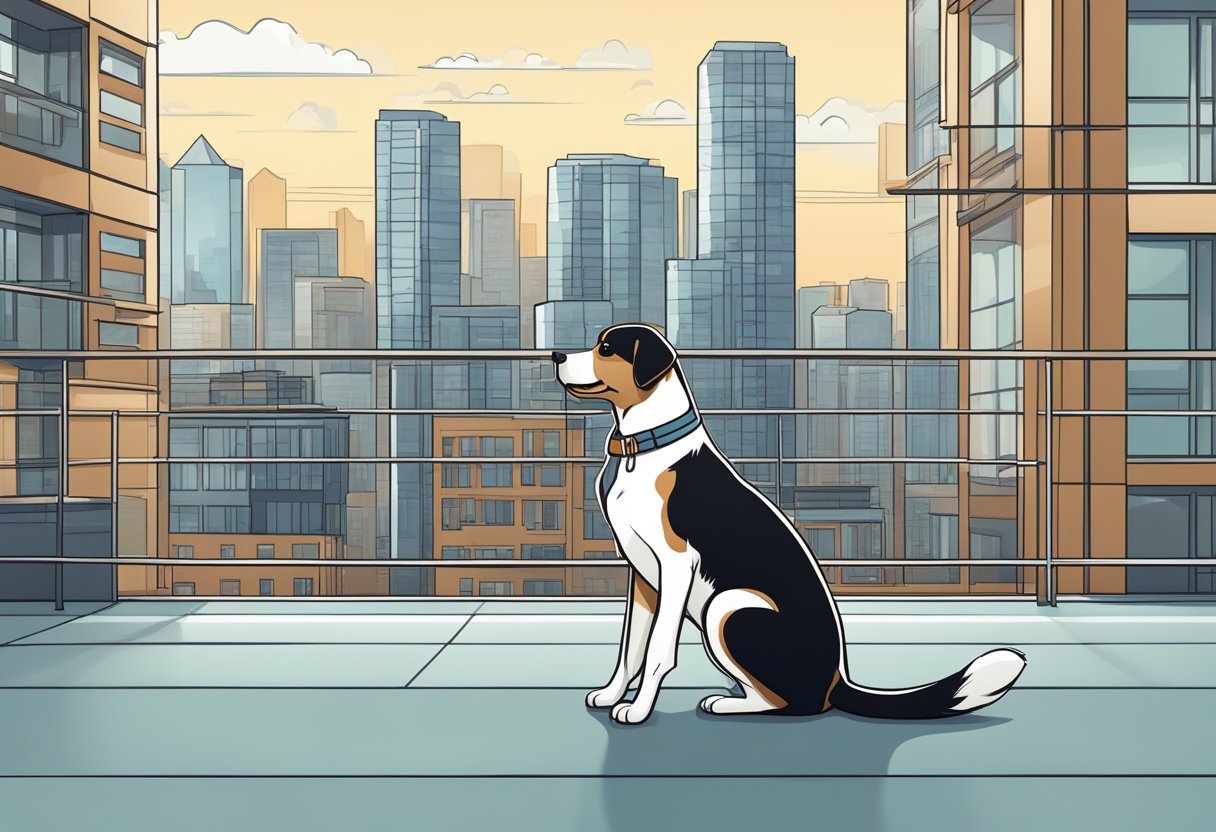
Living with a dog in an Australian city apartment presents unique challenges regarding training and behavioural management. Strict attention to potty training and chew mitigation are essential for maintaining a harmonious apartment lifestyle. Consistent routine and discipline play crucial roles in meeting a dog’s physical needs and managing noise levels.
Effective Potty Training and Chew Management
To address the challenges of toilet training without a backyard, dog owners can create a specific indoor toilet area. Using toilet training pads or a designated bathroom spot will help your dog understand where it’s acceptable to relieve themselves. It’s important that dogs are taken outside regularly, regardless of having an indoor option, to manage their toileting needs effectively and keep them stimulated. For item protection and to maintain the integrity of furniture, chew management is important. Dogs can be trained to distinguish between toys they’re allowed to chew and household items that are off-limits through interactive games like fetch and by providing them with a variety of chewing toys.
Establishing Routine and Discipline
A strong routine is the key to managing a dog’s physical needs and behaviour: designated times for walking, feeding, and play instil a sense of security and responsibility in dogs. Furthermore, consistently reinforcing commands ensures that dogs remain easy to train and responsive. Managing a dog’s noise level is also integral in city living. Owners should regularly engage in quiet, attention-focused activities to help their canine companions understand when it’s appropriate to be vocal. Interactive games that require mental focus can play a significant role here, ensuring that dogs remain quiet and stimulated even in a compact living environment.
Frequently Asked Questions
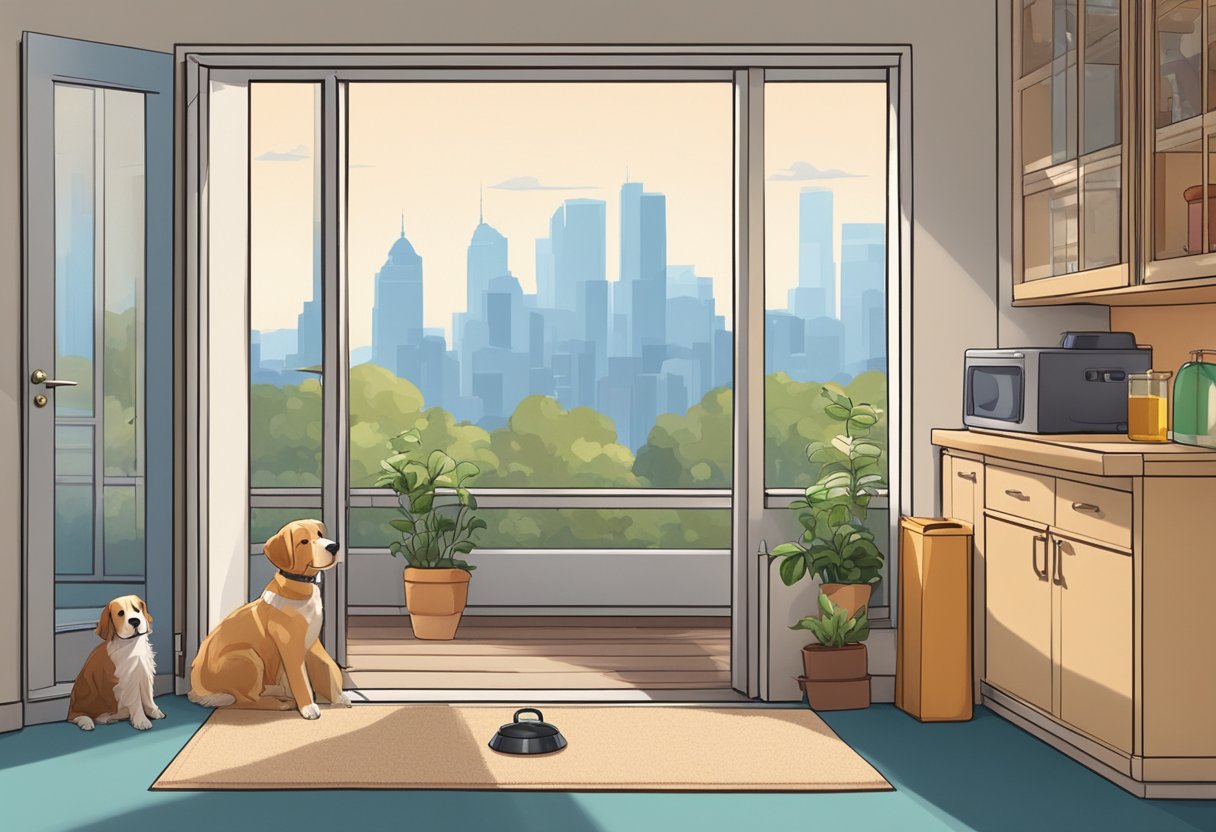
When welcoming a new furry member into a high-rise home, it’s crucial for dog owners to consider breed suitability, effective toilet training methods, and strategies to ensure their dog’s happiness and compliance with local regulations.
What are the best breeds for living in an Australian city apartment?
Smaller breeds like Cavalier King Charles Spaniels, French Bulldogs, and Poodles typically adapt well to apartment living due to their size and moderate energy levels. While larger breeds can also be suitable, these smaller dogs are generally easier to manage in compact spaces.
How can you effectively toilet train your dog in an apartment environment?
Toilet training in an apartment requires consistency and patience. Owners should establish a regular schedule for their dogs to go outside and use positive reinforcement to reward them for correct toilet behaviour. For times when it’s not possible to go outside, indoor potty training with puppy pads or an indoor toilet spot is essential.
What strategies can you use to keep a dog happy in an apartment while you’re at work?
Enrichment toys, such as puzzle feeders, can provide mental stimulation during their owner’s absence. Additionally, one may consider employing a dog walker to break up the dog’s day and ensure they receive adequate exercise.
Are there specific regulations for keeping dogs in apartments in Queensland?
In Queensland, apartment living with a dog is subject to Body Corporate regulations, which may include pet size restrictions, approval processes, and designated areas for dogs to relieve themselves.
How can I make my apartment more accommodating for my dog?
Providing a comfortable space for your dog with their own bed, toys, and ensuring they have a clear view from a window can help them feel more at home. Dog-proofing the apartment to prevent destructive behaviour and damage is also advisable.
What are the considerations for ensuring an apartment is pet-friendly in Australia?
When ensuring that an apartment is pet-friendly, it’s important to check the building’s pet policy, understand any size or breed restrictions, and consider proximity to parks and veterinarian services. Accessibility to outdoor spaces for exercise should also be factored in.